
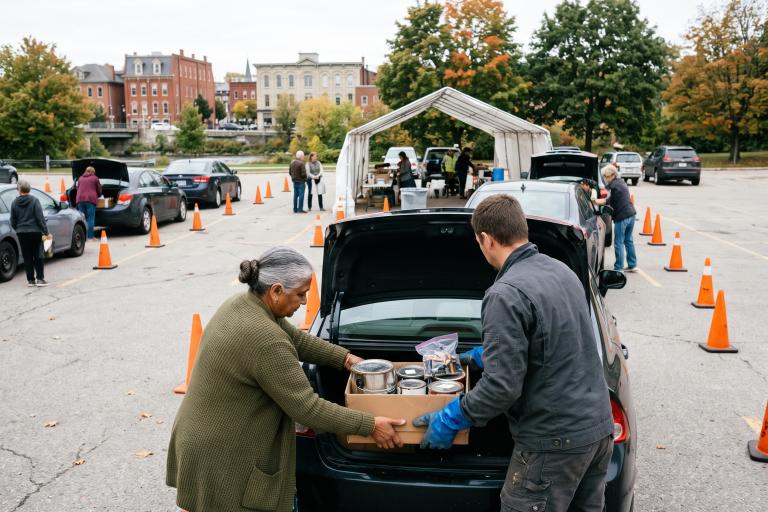
What is household hazardous waste?
Household hazardous waste (HHW) covers everyday products from your home that are flammable, corrosive, toxic, or reactive. Common items include paint, solvents, motor oil, pesticides, and batteries. These materials can harm people, pets, and the environment if they end up in your regular garbage or recycling bin. Keeping them out of the waste stream protects landfill workers and allows us to recycle or safely dispose of the materials.
What we accept
We accept the following household hazardous waste items at no charge:
- Paints, stains, and varnishes (oil-based and latex)
- Solvents, thinners, and paint removers
- Automotive fluids (antifreeze, brake fluid, transmission fluid)
- Batteries (car, household, and rechargeable)
- Pesticides, herbicides, and fertilizers
- Propane tanks (empty or partially full)
- Fluorescent light bulbs and tubes (maximum 50 per visit)
- Thermometers and thermostats
How to prepare and package your waste
Follow these steps to keep yourself and the staff safe when you bring your items to the depot:
- Keep original containers: Products must be in their original, clearly labeled containers. If the label is worn off, write the product name and contents on the container with a permanent marker.
- Check for leaks: Make sure lids are tight and containers are not leaking. If a container is rusted or damaged, move the product to a sturdy, leak-proof container with a secure lid before bringing it in.
- Never mix chemicals: Do not combine different products in one container. Mixing can cause dangerous reactions, fires, or toxic fumes.
- Separate incompatible items: Keep bleach and ammonia separate. Store flammables away from corrosives.
- Transport safely: Keep containers upright and sealed. Place them in a sturdy box or bin to stop them from tipping or rolling. Never leave hazardous items in the passenger area of your vehicle; use the trunk or a separate cargo space.
Drop-off details
The household hazardous waste depot is free of charge for Wrenford residents. We collect the waste and recycle or safely dispose of it at the end of the process.
Location: East Wrenford Waste Management Facility
Address: 3500 Concession 4 Road, Wrenford, ON N4Q 7A1
Hours: Saturdays, May to October, 8:00 a.m. to 4:30 p.m.
Phone: 519-555-0128
During the rest of the year, the depot is closed for HHW drop-off. If you have a large quantity of hazardous waste or need to dispose of it outside these hours, contact us to make an appointment.
What we cannot accept
We cannot take the following items at the hazardous waste depot. Please dispose of them elsewhere:
- Used motor oil: Take used motor oil to an auto parts store or a local mechanic for recycling. It is not accepted at the depot.
- Tires: Tires have their own recycling fees and programmes. Contact a tire retailer or check the garbage and recycling page for more information.
- Medical waste: Needles, syringes, and pharmaceuticals must be taken to a pharmacy drop-off box or a community service location. Do not put them in the HHW bin.
- Construction debris: Drywall, lumber, and roofing materials belong in your regular garbage or a licensed dump. Check the bulky item pickup page for rules.
Reduce waste at the source
The best way to handle hazardous waste is to buy only what you need. Check your tools and cupboards before you shop. Consider using less toxic alternatives for cleaning and gardening when possible. Store leftover products properly in a cool, dry place away from heat sources. This keeps them from becoming waste and protects your family from accidental exposure.