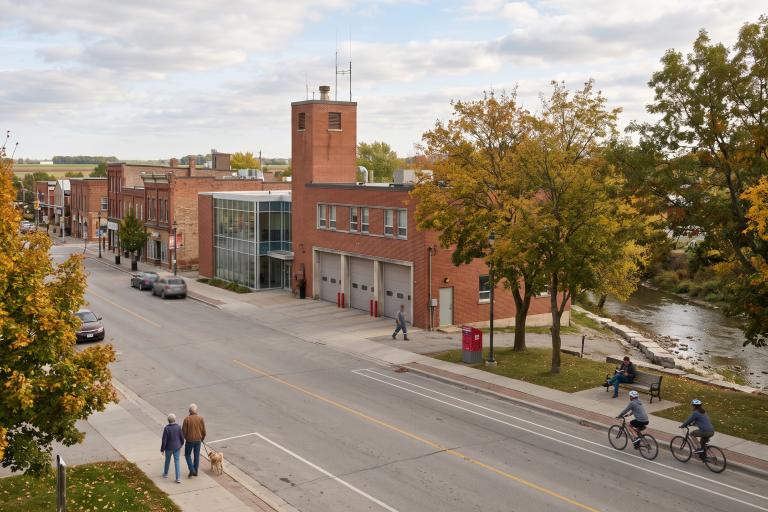
As the weather turns colder, the Wrenford Fire Department is reminding residents to test their smoke and carbon monoxide alarms before the heating season begins. Carbon monoxide is a colourless, odourless gas that can build up quickly inside homes and buildings. It is produced by fuel-burning appliances like furnaces, fireplaces, water heaters, and portable generators. Without proper ventilation, the gas can reach dangerous levels in a very short time.
We encourage every household to check their alarms this week. Press the test button on each unit and replace the batteries if the alarm chirps or if the batteries are more than a year old. If an alarm is more than ten years old, replace the entire unit. You can find the manufacture date on the back of the device.
For residents who need help testing their alarms or want a professional check, the Wrenford Smoke & Carbon Monoxide Alarm Inspection Program is available. A Fire Prevention Officer will visit your home to check the placement and function of your alarms. The service is free for seniors aged 65 and older and for low-income residents. A standard fee of $25.00 applies to other households. To book an appointment, call 519-555-0115 or visit Fire Station 1 (Headquarters) at 210 Water Street during business hours.
"Carbon monoxide is an invisible, odourless gas that can build up quickly in any home. A working alarm is the only reliable way to detect it before it becomes dangerous," says Deputy Fire Chief Simon Hartley. "We want to make sure every family in Wrenford has a reliable early warning system before the heating season starts."
If you are unsure about where to place an alarm, read the manufacturer's instructions or ask a Fire Prevention Officer for guidance during your inspection. Alarms should be installed on every level of your home, inside each bedroom, and outside sleeping areas. Never cover an alarm with paint or tape, and keep them away from vents and windows where drafts might cause false alarms.
Stay safe this winter by keeping your alarms tested and your appliances serviced. For more details on alarm placement, battery replacement schedules, and emergency response procedures, visit the Smoke and carbon monoxide alarms page. You can also find additional fire safety resources and community event updates on the Fire Rescue page.